Olive Oil on the Montenegrin Coast
Olive cultivation on the Montenegrin coast dates back over two thousand years. The Romans planted groves around the Bay of Kotor, and many of the trees still producing today are centuries old. The hills above Herceg Novi, particularly the villages of Mojdez, Sasovici, and Zelenika, contain some of the oldest and most productive groves in the region, sheltered from the bora wind by the Orjen mountain and warmed by reflected heat from the bay below.
Montenegrin olive oil is typically robust, peppery, and green, quite different from the milder oils produced in southern Italy or Greece. The dominant variety is the zutica olive, native to this part of the Adriatic coast. Small-scale family production remains the norm. Most groves are tended by the same families who planted them, and the harvest in late October and November is still a communal event that draws relatives back from across the country.
Where to Find the Groves
The main olive-growing area above Herceg Novi is reached by driving uphill from the town centre through the Topla neighbourhood and continuing toward the villages of Mojdez and Sasovici. The road climbs steeply but is paved throughout. Several families along this route welcome visitors for informal tastings, look for handwritten signs reading 'maslinovo ulje' (olive oil) or ask at any village cafe. The drive from the waterfront to the first groves takes approximately fifteen minutes.
What a Tasting Involves
A typical tasting at a family grove takes thirty to sixty minutes. You will be shown the trees, the stone mill or modern press, and the storage area where oil is kept in stainless steel tanks or traditional clay vessels. The tasting itself involves three or four oils of different ages or pressing methods, served with warm bread, local sheep cheese, and sometimes prosciutto. Expect to taste the difference between early-harvest green oil (peppery and intense) and later-harvest golden oil (milder and more buttery). Most families sell oil by the litre and will fill bottles for you to take home. Prices are significantly lower than in shops, typically eight to twelve euros per litre for high-quality extra virgin oil.
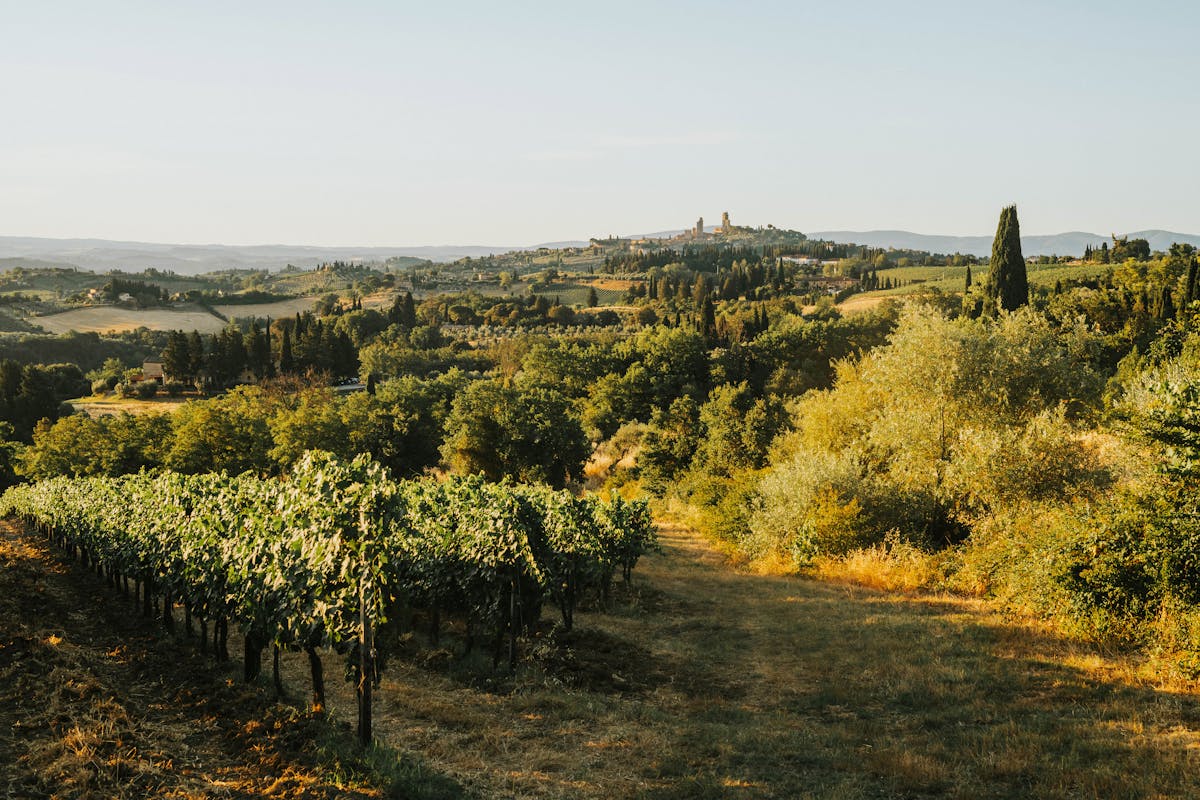
The Drive Through the Hills
The hill road above Herceg Novi rewards drivers with increasingly dramatic views as you climb. The bay opens up below, Mamula Island becomes visible at the strait, and on clear days you can see the Croatian coastline beyond Prevlaka. The road passes through villages that have changed little in a century, stone houses with terracotta roofs, chickens crossing the road, and elderly residents sitting outside their doors. The route connects naturally to the backroads above Savina, see our guide to Savina Monastery and the backroads.
Buying and Bringing Home
Olive oil purchased at the groves is typically packaged in plastic bottles for transport. If you plan to fly home, pack the bottles in checked luggage wrapped in clothing. EU customs allows up to five litres per person for personal use. The oil makes an excellent gift and a tangible souvenir of the Herceg Novi hills. While in the area you can combine the olive tasting with a visit to the Igalo spa, the contrast between agricultural hills and seaside wellness is one of the pleasures of having a car here, see our guide to Igalo's spa tradition.
Practical Tips
- Best season: October, November for harvest and fresh-pressed oil. Year-round for tastings of stored oil.
- Booking: No advance booking needed at most family groves. Simply drive up and look for signs.
- Bring: Hosts provide bread and cheese, but bring water and cash (most groves do not accept cards).
- Road: Paved but steep and narrow in places. A small car handles the route easily. No SUV needed.